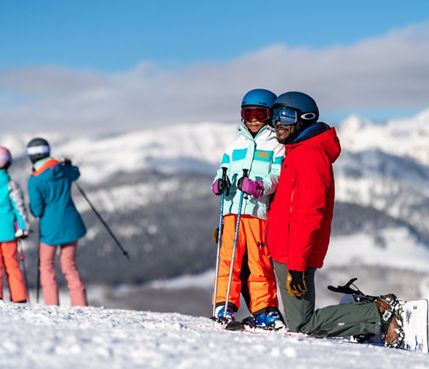
There’s nothing quite like your first day skiing in the mountains. Crisp alpine air, the sound of skis on fresh snow, the mountain scenery and the excitement of practicing your skills create an unforgettable experience. If you’ve been wondering how to ski or are planning your first trip skiing in Colorado, Vail is one of the best places to start.
Known for its wide beginner terrain, world-class ski school, and welcoming mountain atmosphere, Vail makes skiing for beginners feel approachable and exciting. Whether you’re learning as an adult or introducing your family to the sport, understanding the basics before stepping onto the slopes can help you feel more confident from your very first run. Whether you’re learning as an adult or introducing your family to the sport, understanding a few skiing basics before stepping onto the slopes can make the entire experience feel far less intimidating and a whole lot more fun.
What to Expect Your First Time on Skis at Vail
Your first ski day usually begins with getting fitted for rental equipment, checking in on your lessons, and getting familiar with the mountain layout. Vail is designed to support beginners with clearly marked learning zones, gentle slopes, and progression-focused terrain.
Once you click into your skis for the first time, expect things to feel unfamiliar at first. Ski boots are stiff, skis feel slippery on snow, and simply standing still can take practice. That’s completely normal. Learning how to move, stop, and turn happens gradually throughout the day. And honestly, that surprises a lot of first-time skiers. You don’t need to master the mountain on day one. You just need to start getting comfortable moving on snow.
One of the biggest advantages of learning to ride or ski at Vail is the terrain, conditions and welcoming environment. Beginner terrain is separated from faster advanced runs, helping you focus on building confidence without feeling overwhelmed.
Vail’s Beginner Terrain and Snow Conditions
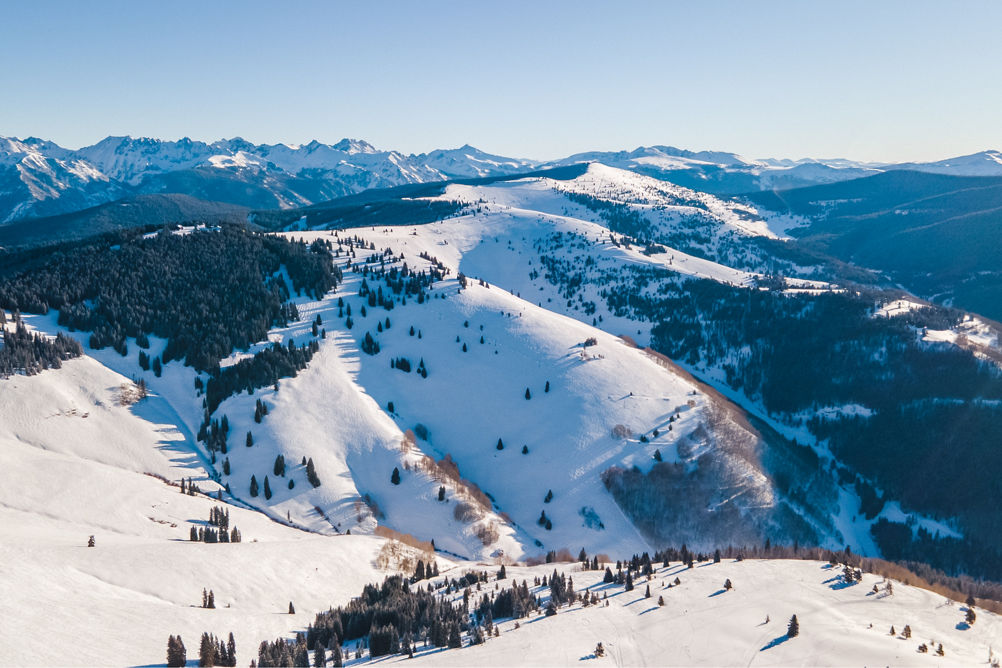
Vail offers several beginner-friendly areas with wide slopes, gentle downhill terrain, and progression-focused learning zones that allow you to practice safely without feeling rushed by faster skiers. These learning zones are easily accessible and designed to help beginners focus on balance, turning, and stopping without steep pitches or heavy traffic.
For the best first-time experience, start at one of these recommended beginner areas.
Lionshead & Little Eagle (#15) – Little Eagle is a favorite for beginners and first timers looking to ease into the ski experience while taking in the scenic green runs, an easy progression path, and a relaxed atmosphere where new skiers will feel comfortable. The Eagle’s Nest lodge is easily accessible for breaks and food.
Golden Peak – Golden Peak is Vail’s primary beginner learning area and Ski & Ride School hub, located at the eastern edge of Vail Village near the base of the mountain. A great choice for true first-timers, kids, and snowboard beginners thanks to its simple layout, gentle learning terrain, and dedicated Ski & Ride School areas. The lower elevation and less intimidating setup make it especially helpful for nervous or altitude-sensitive guests.
Sourdough Express (#14) – Once you feel a bit more adventurous, explore this area higher on the front side of the mountain accessed from Gondola One in Vail Village. The Sourdough lift serves one of the best progression areas for skiers ready to move beyond beginner zones. Known for wide groomed greens, beautiful mountain views, and a quieter feel, it’s perfect for building confidence after a lesson or two and transitioning toward intermediate terrain.
Knowing what to expect from the terrain and daily conditions will help beginners feel more confident before their first runs.
Snow conditions can vary throughout the season, but Vail is known for consistent grooming and quality snow surfaces that are ideal for learning. Early season conditions may be firmer in the mornings, while afternoon snow can soften as temperatures rise. Check on terrain status online or in the My Epic App.
Because of the high elevation of Vail Mountain, you may also notice thinner air during your first few days. Be sure to hydrate and take breaks to acclimate to the altitude as needed.
How Ski School and Instructors Set You Up for Success
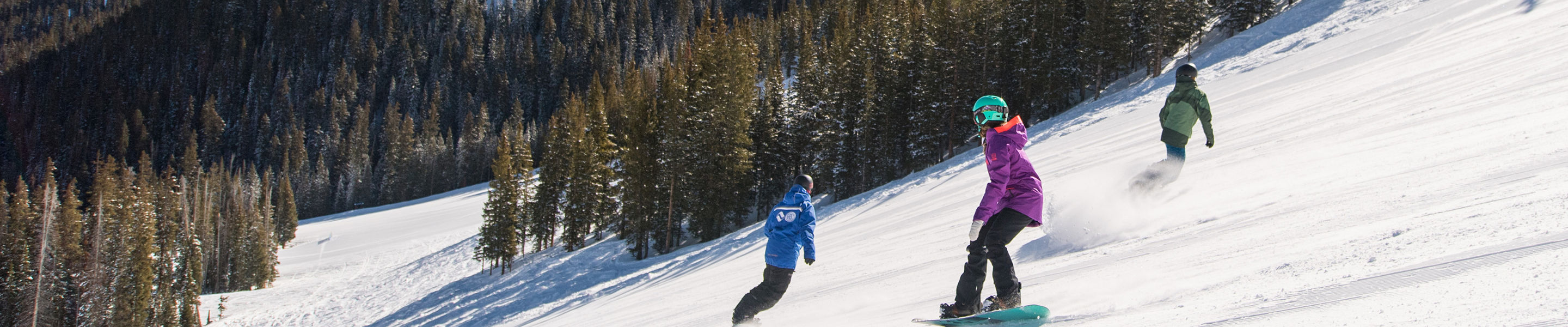
One of the fastest ways to improve beginner skiing is by taking lessons. Vail’s instructors help simplify the process for first time skiers by breaking skiing basics into manageable steps, which help to speed up the learning process significantly.
A typical first lesson often includes:
- Learning how to stand on skis
- Walking on flat snow
- Sliding in control
- Practicing how to stop
- Making your first wedge turn
- Using beginner lifts safely
Professional instructors also help correct posture and movement patterns early, which can prevent bad habits later. Many beginners find that even one lesson dramatically improves confidence on the slopes.
Vail makes planning a lesson even easier with Ski and Ride lessons managed in the My Epic App. View lesson details and school locations to stay organized throughout the day. Follow your child’s progress with on-mountain photos, achievements, and live updates all in one place.
Choosing the Right Ski Equipment for Beginners
Before learning how to snow ski for beginners, you’ll need the proper equipment. The good news is that most first-time skiers rent gear directly at the resort.
Basic ski equipment includes:
- Skis
- Boots
- Poles
- Helmet
Trained technicians at local rental locations will match your equipment to your height, weight, and skill level to make sure you have the right board or ski setup. Outside of the fitting, beginner-focused gear packages are designed to make turning and balance easier while improving control on snow.
Selecting the Correct Skis, Boots, and Poles
Beginner skis are typically shorter and softer than advanced skis. This makes it easier to turn, maintain balance, and control speed while learning skiing techniques.
Longer skis provide more stability at higher speeds, but shorter skis are generally easier for beginners to maneuver on gentle slopes.
Your boots are equally important. Ski boots should fit snugly without causing pain. A proper fit helps transfer movement from your feet and legs directly into the skis.
Bindings are also adjusted based on ability level to help skis release appropriately during a fall.
How Proper Fit Affects Your Feet, Knees, and Control
Proper boot fit plays a major role in comfort and performance. Loose boots reduce responsiveness and make it harder to maintain edge control while turning.
When your feet are properly aligned inside the boots, your knees naturally stay in a stronger athletic position. This improves balance, helps maintain forward pressure, and gives you better control on downhill terrain.
Beginners often instinctively lean backward, especially when nervous. But skiing becomes much easier when your weight stays centered and slightly forward over your feet.
Skiing Basics: Your First Steps on the Snow
Every skier starts with the same foundation: balance, posture, and movement. Before you learn advanced skiing techniques, you first need to become comfortable simply standing and sliding on snow. If you’re researching how to ski for beginners, this stage is where nearly everyone starts.
Learning to Stand, Balance, and Move in Ski Boots
Ski boots feel restrictive at first because they’re designed to support your ankles and keep your body positioned forward. Walking in them can feel awkward initially, but you’ll adjust quickly.
When standing on skis:
- Keep your knees slightly bent
- Maintain your weight centered over your feet
- Keep your hands forward
- Avoid leaning back
This athletic stance helps you stay balanced while moving downhill.
Many beginners are surprised by how important posture becomes while learning. Even small adjustments in knee bend and upper-body positioning can improve stability dramatically.
How Do You Stop and Control Your Speed as a Beginner?
Learning how to stop is one of the first skills taught in skiing for beginners.
Most first-time skiers begin with the wedge or “pizza” position. By pointing the tips of the skis inward and pushing the tails outward, you create friction against the snow that slows your speed.
This technique also helps beginners start making controlled turns.
As you improve, you’ll gradually learn how edging and turning help regulate speed naturally on the slopes.
Bending Your Knees and Keeping Your Weight Forward
One of the most common beginner mistakes is standing too upright or leaning backward during movement.
Keeping your knees bent helps absorb terrain changes and maintain balance while skiing downhill. At the same time, staying slightly forward over your skis improves edge engagement and control.
Instructors often remind beginners to:
- Flex through the ankles and knees
- Keep hands forward
- Look downhill instead of at their skis
These small adjustments make turning smoother and help prevent unnecessary falls.
Core Skiing Techniques for Turning and Edge Control
Once you’re comfortable sliding and stopping, the next step is learning how to turn confidently.
Mastering the Wedge Turn to Start Directing Your Skis
The wedge turn is the foundation of early skiing techniques. Beginners use the wedge shape to manage speed while learning directional control.
To initiate a turn:
- Shift pressure slightly to one ski
- Maintain knee bend
- Allow the skis to guide across the slope
- Keep your upper body stable
As your edges engage with the snow, the skis naturally begin turning.
This progression teaches balance, weight transfer, and control — all essential skiing basics.
Progressing From Wedge Turns to Parallel Skiing
As your confidence grows, your skis gradually move closer together during turns. Eventually, you’ll begin linking smoother parallel turns rather than relying entirely on the wedge.
Parallel skiing typically develops when beginners:
- Feel comfortable on green terrain
- Can stop consistently
- Maintain balance through turns
- Control speed confidently
This transition happens differently for everyone. Some skiers progress quickly, while others prefer spending additional time refining fundamentals.
Staying Safe and Avoiding Common Beginner Mistakes
Understanding how to ski safely is just as important as learning techniques.
Beginners often improve fastest when they stay relaxed, ski within their ability level, and focus on consistency rather than speed.
What Should You Do When You Fall on the Slopes?
Falling is a normal part of learning how to snow ski. Even experienced skiers fall occasionally.
If you fall:
- Stay calm
- Move out of traffic if possible
- Position your skis below you
- Push yourself back up from your side rather than directly forward
Most beginner falls happen because of leaning backward or trying to turn too aggressively.
Wearing a helmet and maintaining awareness of other skiers helps improve safety on the slopes.
Reading the Terrain and Understanding Slope Etiquette
Terrain awareness becomes increasingly important as you explore more of the mountain.
Basic slope etiquette includes:
- Yielding to skiers downhill from you
- Stopping only where visible to others
- Looking uphill before starting
- Staying in terrain appropriate for your ability level
Wide beginner slopes help reduce pressure while learning, but paying attention to your surroundings remains essential.
Building Confidence and Planning Your Next Steps at Vail
The first day of Colorado skiing is really about building comfort and confidence. Once the nerves start fading, skiing becomes much more enjoyable surprisingly quickly. Once you’ve learned the basics of stopping, turning, and controlling speed, the mountain starts opening up in exciting ways.
Many beginners continue progressing by:
- Taking additional lessons
- Practicing consistently
- Exploring longer green runs
- Learning new skiing techniques gradually
Vail’s beginner terrain and supportive learning environment make it easy to continue improving over time.
Whether your goal is simply enjoying scenic runs with family or eventually skiing advanced terrain, every skier starts with the same first turn. With the right equipment, instruction, and mindset, your first experience skiing at Vail can become the start of a lifelong passion for the mountains.